
Recently, my dentist insisted that if my kid just flossed for 21 days straight, they’d form a new habit. She’s wrong. We all have ADHD and forming habits is much harder than that!
The ADHD Brain and Habits
 Those with ADHD will attest, we can do something for far more days than just the 21 recommended, and still forget to do it. This is because our brains don’t create patterns easily. A habit, is something your brain and body can accomplish without actually thinking about it. As I understand it, those with lots of healthy habits, just go in the bathroom and their brain works like a computer, running the code for “bedtime routine.” They wash their face, brush their teeth and do the rest of the routine without having to think about each step.They may even get dopamine for completing the task! ADHD brains do not work that way.
The ADHD brain is dynamic and constantly seeking new patterns and new ideas. As a result, it resists forming habits. It has to think about every step of what it is going to do, and look for problems. This desire to constantly look for new information means that they never assume the patterns they have seen before are what they are seeing now. This is a great feature when you want someone to solve a difficult problem. Our culture even refers to it as a good thing when it is called “out-of-the-box thinking.” And if I am ever in the ICU, I want an ADHD nurse who is looking for changes in my vital signs, because they are going to notice that change!
But sometimes, we want to build healthy habits. We see the benefit of, for example, brushing our teeth every day. How do we accomplish those things if they aren’t going to become a habit? Visual cues.
Leave Yourself Clues
For those with ADHD, out of sight is often out of mind. This means that we need to see things to remember they even exist, much less remember we are supposed to use them. Putting things where you will see them, and where you should use them, is helpful. This is what I mean by visual cues.
 Visual cues are things we see that remind us to do a thing. It can be that actual thing, like leaving your toothbrush out in a cup where you will see it on the bathroom sink. Do you keep the brush on the sink and see it to use it, but the dental floss is in the cabinet so you never use it? If you put it out where it can be seen, it is more likely to be used.
Literally, the ADHD mind will forget things exist if we can’t see them. So, healthy snacks, dental floss, the hair brush and deodorant all need a place out on the counter. Invest in a cute basket, or other way to hold your things that let you see them, but keep them from falling off the counter top.
Finding Ways to Remind Your Self Of Any Little Thing
Other good visual cues include keeping your child’s retainer in a case beside their bed where they will see it to put it in at bedtime. And hanging your child’s coat beside the front door so they can see it to grab it when it is cold. Yes, some kids will not only forget to wear a coat but forget they own one. It happens.
Making to-do lists can also help. It can be a visual cue for all kinds of things. However, your to-do list needs to live in a place you will see it! If the to-do list hangs on the wall where you will walk past it and check it often, it can help. However, if it lives in your phone on an app you have to remember to open each morning, that list may be forgotten as though it never existed. Needing to find where you put the list makes it even more useless. If you ever “lost the third planner this year” you understand it doesn’t have to be digital to get lost either.
My most effective planner is a white board style one, posted on the wall where everyone can see it. 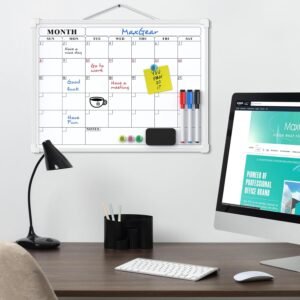
So, to recap, if you or your child has ADHD, don’t assume you can create a habit. You need to make visual cues that remind the person what they are supposed to do. Those cues can involve putting the items where you use them, or having a list or both. What you need to do, will depend on what habit you want to create.



0 Comments